

Myopia Management
Myopia (nearsightedness) typically begins in childhood and often progresses as the eyes continue to grow. For many children, prescriptions will continue to increase into the teenage years.
At Apex Vision Group, we offer modern myopia management options designed not only to correct vision, but to help slow progression over time. This is important because higher levels of myopia are associated with an increased risk of long-term eye health conditions later in life, including retinal detachment, glaucoma, and cataracts.
If your child’s prescription is changing frequently or there is a family history of nearsightedness, early evaluation can make a meaningful difference. Schedule an exam with our team to learn more about available treatment options.
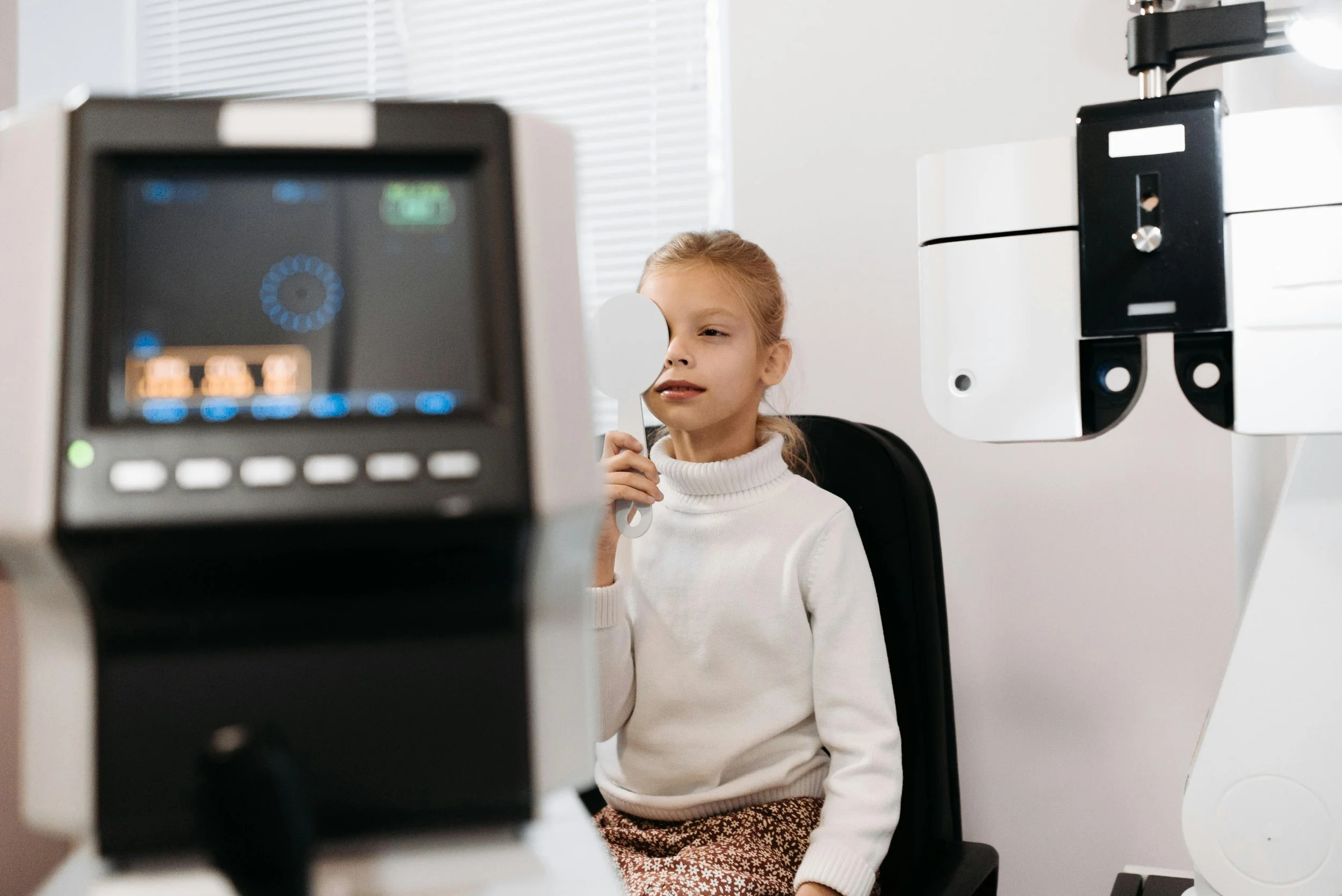
Myopia is becoming more common
Nearsightedness has become increasingly common in children across the United States and worldwide. Research suggests that nearly half of the global population may be myopic by 2050.
While genetics play a significant role, environmental factors such as increased screen time, prolonged near work, and reduced outdoor time are also believed to contribute to this trend.
Because of this, early detection and proactive management are more important than ever.
How we manage myopia progression
Myopia management focuses on more than updating glasses prescriptions each year. The goal is to help slow the eye’s growth over time using evidence-based treatment options tailored to your child’s needs.
At Apex Vision Group, we customize treatment plans based on your child’s prescription, age, lifestyle, and eye health. Options may include: glasses with the Stellest lenses, specialty contact lenses, atropine drops, or Orthokeratology.
Essilor Stellest® Lenses
Stellest® lenses are specially designed spectacle lenses that help slow the progression of nearsightedness in children while providing clear, comfortable vision for everyday activities. They are worn like regular glasses and offer a simple, non-invasive way to help manage myopia and support long-term eye health.
Specialty Contact Lenses
Soft multifocal contact lenses use different focusing zones to correct vision while also helping reduce signals that contribute to myopia progression. Studies show these lenses can significantly slow progression in many children compared to standard single-vision contacts.
Atropine Therapy
Low-dose atropine eye drops are a medical treatment option used to help slow the progression of nearsightedness in children. These drops may be used alone or in combination with specialty contact lenses depending on the individual case.
Orthokeratology (Ortho-K)
Ortho-K lenses are specially designed gas permeable lenses worn overnight. While your child sleeps, these lenses gently reshape the cornea, providing clear daytime vision without glasses or contacts. Ortho-K has also been shown to help slow myopia progression in many children.

Take the next step
If your child is becoming more nearsighted each year, or if there is a family history of myopia, a myopia control evaluation may be beneficial. Our team at Apex Vision Group can help determine and talk through the most appropriate approach for your child.
Schedule an appointment today to learn more about your options.